
About Christine
I was born to teach. Long before I understood curriculum, research, or instructional design, I knew that education mattered — and that it had the power to change lives.
My path into special education was shaped by my younger brother, Joseph, who was born with Down syndrome. Watching him grow up taught me something I have carried into every classroom since: high-quality instruction and high expectations should never be limited by labels. Every child deserves access to thoughtful, research-informed teaching, and every educator deserves the support to deliver it.
Almost twenty years in, I still believe that. The first eleven were at The Windward School, where I taught middle-schoolers with language-based learning disabilities and learned, alongside them, that explicit instruction is not a constraint on creativity; it is the structure that lets creativity hold. For five of those summers, I also directed Windward's summer program. The six years that followed were at The Writing Revolution, where I eventually served as Director of Learning, led the development of three of TWR's courses, and trained educators across the country and around the world. My bachelor's and master's degrees in special education are from the University of Maryland.
I came into this field believing that emotions and evidence are inseparable, and the years since have only deepened that belief. A teacher can do every right thing in a lesson, but if a student is not emotionally available to learn, none of it will land. The same is true for the educators sitting through professional development at the end of a long day, and for the families on the couch at 9pm trying to make sense of what their kid needs. It's all connected and it all matters.
I founded CGT Learning Throughline because I kept watching the same thing happen. Schools have strong initiatives, dedicated teachers, thoughtful leaders. What goes missing is the connective tissue — the alignment between what one teacher builds and what the next continues; between what is taught in one grade and what is asked of students in the year that follows; between what educators know and what families can support at home. That alignment is the throughline. Building it is the work.
If this resonates with the work you are doing in your own school or district, I would love to hear from you. What might a throughline look like in your context?
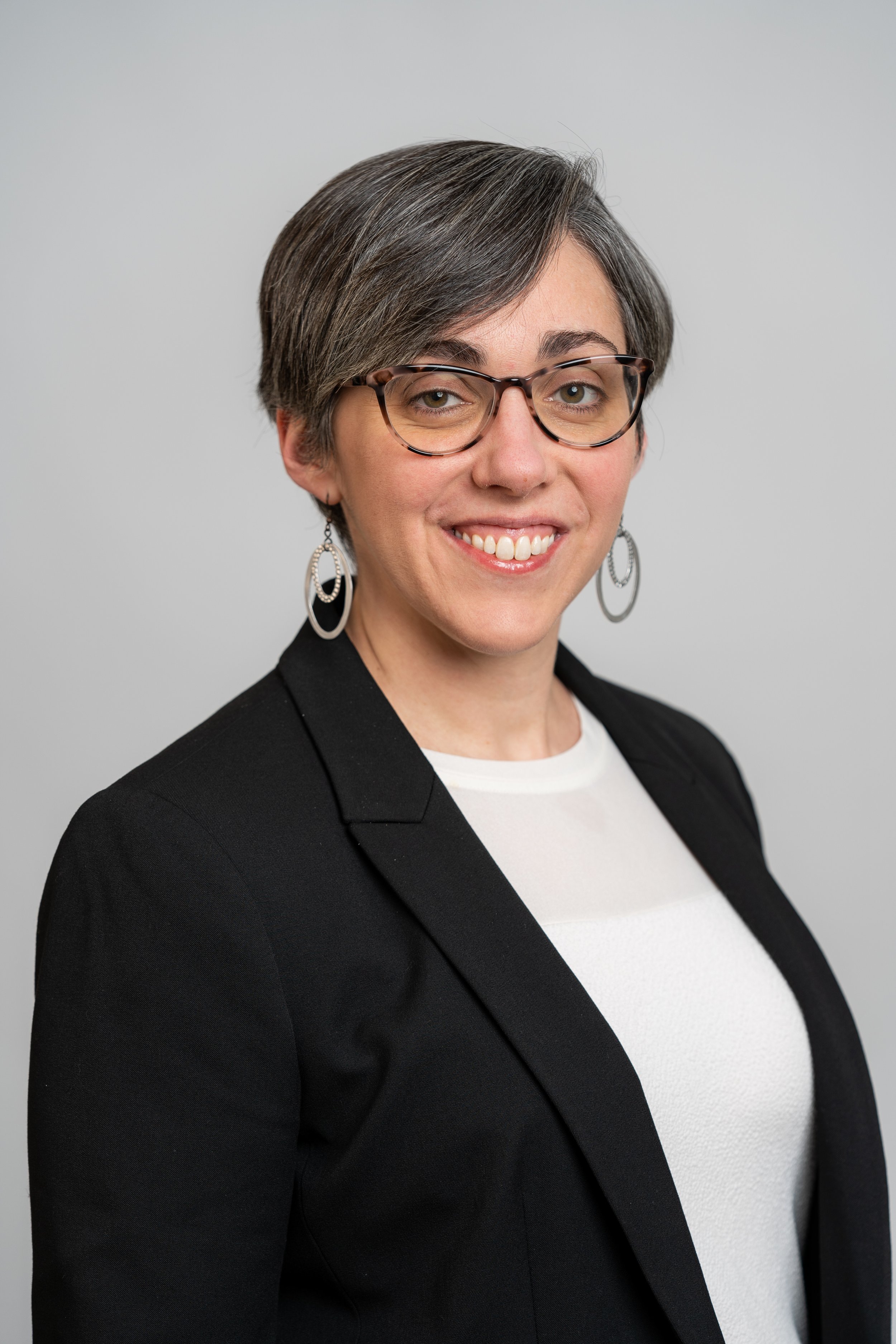
Christine’s Personal Mission Statement
I will model the importance of witnessing, loving, and integrating all parts of self and systems. I will teach humans to embrace interdependence in service of building systems that foster opportunity and create the safe spaces in which all Life is free to be authentic and thrive.